HEART CARE ASSOCIATES


WOMEN AND HEART DISEASE
WHAT IS PULMONARY HYPERTENSION
CLINICAL PROBLEMS
DIAGNOSTIC STUDIES
TREATMENT OPTIONS
OUR PHYSICIANS
 
 
PREVENTING HEART DISEASE CONTACT LINKS UPCOMING SYMPOSIA


Pulmonary Hypertension

This document contains:

Definition
Diagnosis
Treatment
Pulmonary Hypertension Clinics

My name is Dianne Zwicke. I am a medical doctor trained and board certified in Internal Medicine and Cardiovascular Diseases. I completed my undergraduate education at Marquette University in Milwaukee, Wisconsin. I attended Graduate and Medical School at the University of North Carolina-Chapel Hill (yes, Michael Jordan was there playing college basketball while I was there-it was a great time for college ball!) I then completed my Internal Medicine training at the Marshfield Clinic (University of Wisconsin Program), with Invasive/Interventional Cardiovascular Medicine training at Aurora Sinai Medical Center in Milwaukee (University of Wisconsin Program). Since that time, I have made Milwaukee my home and have thoroughly enjoyed "that place by the lake". Since the start of my practice in 1987, I have had an interest in the more complex and "orphan" (rarely occurring) disorders.

Two months into the start of my practice, I met my first pulmonary hypertension (PH) patient. She was successfully treated with Flolan, then an experimental drug. Shortly after that, a very sick five-month old baby girl with PH was referred to me. And so it continued. Certainly, pulmonary hypertension fits under the "orphan" disease category, though I sure see a lot of it. The reason for this has four components: we diagnose PH better nowadays, we have some treatment options, doctors are becoming better educated about PH (meaning patients are being referred earlier while their disease is in a treatable stage), and there is a substantial amount of research continually going on.


Ramagopal Tumuluri, MD
Cardiologist
Board Certifications
: Internal Medicine, Cardiovascular Disease, Board Elegible in Interventional Cardiology
Dr. Ramagopal Tumuluri joined our group in July of 2004 after completing a one-year Interventional Cardiology Fellowship and a three-year Cardiology Fellowship in June 2002, both at University of Wisconsin Medical School-Milwaukee Clinical Campus at Aurora Sinai Medical Center in Milwaukee, Wisconsin. He completed his residency in Internal Medicine at the Aurora Sinai Medical Center, Milwaukee, Wisconsin where he also served as the resident research investigator. Dr. Tumuluri earned his medical degree at the B.J. Medical College, Gujarat University, Ahmedabad, India. He has published various abstracts and papers. He was invited to present at Japanese National Cardiovascular Research Center, Osaka, Japan in 1997 where he presented a lecture on "Effect of hemodynamics and humoral factors on procoagulant and adhesion molecule expression in human vascular cell". Dr. Tumuluri is a member of the American College of Cardiology, the American Medical Association and the American College of Physicians.

If you are reading this web site, you or a person you care about has probably just been diagnosed with PH. It is important for both the patient and the caregivers to educate themselves about this disorder. This will make the evaluation and treatment phases much easier for everyone. The first question everyone has is "Can this condition be cured?" Unfortunately, there are only rare times in which PH can be cured. It would be much more realistic to say that it cannot be cured - but it can usually be treated. The information that follows is intended to help you through the difficult times of a new diagnosis, proper evaluation, and some of the treatment options.

This document is not intended to be all-inclusive, as that would require more room than we have on a web site. It is intended to be informative, with further guidance by your health care providers.

return to top of page

What is Pulmonary Hypertension (PH)?

Pulmonary Hypertension, also referred to as "PH", is high blood pressure in the lungs. It results from an abnormal condition in the heart, lungs or heart and lungs combined. It can also be associated with liver diseases or HIV-related disorders.

When the pressures are elevated in the lung arteries, there is an abnormal "back pressure" into the right side of the heart. If not corrected, the right heart enlarges and eventually fails. The right heart is not capable of pumping against high pressures for long periods of time (months or years). When it fails, the following symptoms appear:

  • The liver enlarges and becomes painful,

  • the abdomen enlarges from excess fluid,

  • appetite decreases,

  • exercise is poorly tolerated,

  • and there is increased shortness of breath with exertion.

Usually, these symptoms are quite subtle at first, usually starting with mild exercise intolerance (mild shortness of breath with minimal exertion). Rather than evaluating these symptoms as a medical illness, they are frequently attributed to work or home situations, stress, fatigue, chronic anemia, raising children, etc. The symptoms progress over an average of 18-24 months before a diagnosis of PH is made.

The majority of PH patients are female, with an overall 9:1 ratio (9 females to every one male). This follows the gender divisions of the disease states that cause or involve PH as part of the disease process.

Epidemiology

Pulmonary Hypertension occurs predominantly in females and at all ages. Data collected has suggested the following numbers and associations for the more commonly seen types:

TYPE

INCIDENCE

Idiopathic Primary PH

1 / 500,000

Primary PH by autopsy

170 / 500,000

Primary PH - familial

191 / 1926

Connective Tissue Diseases

1-100 / 1000

HIV

5 / 100

Liver disease-associated

5-8 / 100

Diet drug-related

12-25 / 500,000

There are many more causes of PH. I try to categorize the types of PH as "vascular" (primary disorder is a direct disease affecting the arterial blood vessels in the lungs), "nonvascular PH" (high pressure in the lungs, but no significant effect on the lung's arterial blood vessels), and "mixed PH" (some vascular and some non-vascular components). Some of the more common causes are listed by these category divisions:

Vascular PH

  • Idiopathic (Primary Pulmonary Hypertension - PPH) - no known cause

  • Collagen Vascular Diseases (including Scleroderma, Lupus, CREST, and Overlap Syndrome)

  • HIV-related

  • Liver Diseases (including hepatopulmonary syndrome and primary biliary cirrhosis)

  • Diet pill related (fenfluramines, dexfenfluramines)

Non-Vascular PH

  • COPD (emphysema)

  • Interstitial Lung Disease

  • Pulmonary Fibrosis

  • Left heart failure/cardiomyopathy

  • Mitral valve disorders

  • Hypertrophic/Restrictive heart diseases

  • Shrinking Lung Syndrome

Mixed PH

  • Subsets of COPD (emphysema)

  • Subsets of interstitial lung disease

  • Pulmonary Emboli (blood clots in the lungs)

  • Sickle Cell Disease

  • Congenital Heart Diseases (birth defects)

return to top of page

Anatomy & Physiology: How do the heart and lungs work?

In order to understand "dysfunction" (not working normally), one must understand "function" (working normally). The lungs' function is to deliver oxygen to the body, while removing carbon dioxide from the body. The heart is actually two pumping systems that just happened to be attached to each other. The job of the right side (right pump) is to collect used blood from the body, organize it, and pump it into the lungs to get rid of carbon dioxide and pick up oxygen. The purpose of the left side of the heart (left pump) is to collect blood from the lungs and pump it out to the body. The right side is a "low pressure" system, while the left side is a "high pressure" system, diagrammatically shown below.

RA = right atrium
RV = right ventricle
LA = left atrium
LV = left ventricle
PA = pulmonary artery
AO = aorta

Transport of blood through the heart begins in the right atrium (RA), crosses the tricuspid valve as it enters the right ventricle (RV), and then crosses the pulmonic valve (PV), ending up in the lungs.

Once in the lungs, the blood passes through a capillary network (small vessels that wrap around the air sacks of the lungs). It is here where the gas exchange of oxygen and carbon dioxide occur.

Blood then flows from the lungs into the left atrium, crosses the mitral valve (MV) as it enters the left ventricle, then crosses the aortic valve as it leaves the heart, entering the aorta to distribute blood to the body.

return to top of page

Evaluation: What tests will I need to undergo?

It is absolutely important to undergo a thorough evaluation, because up to 50% of patients with pulmonary hypertension have inaccurate diagnoses. The correct diagnosis at the beginning is essential, because the treatment plan that follows is based on a correct diagnosis of the cause of the PH.

Basic Tests:

  • A complete history and physical examination, with copies of all records you have up to this time (this is very important)

  • Lab studies:

    • Complete Blood Count (CBC)

    • Comprehensive Metabolic Panel (CMP)

    • Thyroid Stimulating Hormone (TSH)

    • Antinuclear Antibody (ANA)

    • Erythrocyte Sedimentation Rate (ESR)

    • Rheumatoid Factor (RF)

    • C-Reactive Protein (CRP)

    • Anticardiolipin Antibody

    • SCL-70

    • Urinalysis

    • HIV

  • PA & Lateral chest X-Ray

  • Electrocardiogram (ECG)

  • Echocardiogram, with a bubble study or a Transesophageal Echo

  • Lung Scan (Nuclear Medicine)

  • Pulmonary Function Tests (complete study including spirometries, lung volumes, diffusion capacity, bronchodilations (if indicated) and an arterial blood gas)

  • Overnight pulse oximetry or full sleep study


Advanced Testing: These studies are not needed by everyone.

High Resolution Chest CT Scan - This is a special type of CAT scan that looks for scarring in the lung tissue. It needs to be performed if there is a low oxygen level (hypoxia), low diffusion capacity on PFT's, or an abnormal CXR.

Spiral CT of Chest - To further assess pulmonary emboli (blood clots) if suspected to be present.

Pulmonary Angiography - This is an injection of dye into the pulmonary arteries. If blood clots are thought to be present, a "cut film" (3-4D Digital) technique is preferred for imaging of old and recannulated clots.

Lung Biopsy - This requires a chest surgeon to make an incision in the chest to obtain several pieces of lung to test in the laboratory. This rarely needs to be done, but is necessary in some patients who have a low oxygen level with unexplained scar tissue on the CAT scan.

Venous Ultrasound of the legs - This is an ultrasound test to look for blood clots in the legs that may have broken away and floated into the chest, becoming lodged in the lungs.

Cardiac Catheterization - This testing may include studies of both sides of the heart or just the right side. It involves placing a catheter into the vessel leading to the heart. The catheter that passes through the right side of the heart ends up in the lungs. Blood samples and pressure measurements will be taken. Dye may be injected. Then, testing with various drugs to lower the pulmonary artery pressures may be undertaken. Testing may include such items as oxygen, inhalation of nitric oxide, or infusions of Alprostadil, Flolan, Dobutamine, and Nipride. Pictures may also be taken of the heart arteries and left side pumping chamber. You may be asked to perform some exercise with your arms.

return to top of page

Treatment: What are my options?

This is much more complicated, because there are many variables that need to be considered. The stage of your disease, how ill you are, what caused your disease, and your ability to participate in your care and treatment must all be taken into consideration. Possible treatments could include any of the following:

  • Dobutamine - an intravenous drug infusion used to assist the failing right ventricle. It improves blood flow to the kidney also.

  • Diuretics - also known as "water pills". If you have significant right heart failure, this needs to be given intravenously until your condition improves, at which time you can be switched to a pill form of the medication.

  • Coumadin - a blood thinner taken daily to decrease blood clotting in the lung arteries.

  • Calcium Channel Blockers - pill form medication to help the elastic layer of the pulmonary arteries relax, thereby decreasing the pressure. The more commonly used forms are Nifedipine (Procardia), Cardizem (Diltia, Diltiazem, Tiazac) and Norvasc. These are not helpful or appropriate with severely elevated pressures.

  • Flolan - a prostacyclin intravenous drug given continuously by a pump worn in a "fanny pack". This is the first FDA approved drug for treatment of pulmonary hypertension. It requires a surgically implanted IV line.

  • Remodulin - (UT-15 or Treprostinil) - a drug similar to Flolan (prostacyclin), but is administered under the skin of the abdomen, similar to insulin (SubQ). Or can be given intravenously through a surgically implanted IV line.

  • Iloprost - a stable analogue of prostacyclin that can be given as an inhaled treatment similar to those given to asthmatics. Needs to be inhaled 6-8 times per day.

  • Beroprost - another stable analogue of prostacyclin in a pill form. Remains in research trials at this time.

  • Nitric Oxide - an inhaled gas that is only used in critical cases in a hospital. It is extremely expensive ($3,000/day) and the equipment is very cumbersome. Patients cannot be mobile with it. Rare sites have a research protocol for selected outpatients. Not usually helpful in scleroderma related diseases.

  • Tracleer - the first "pill" approved by the FDA for the treatment of pulmonary hypertension. It is a new category of drug called endothelin receptor blockers. This medication has significant side effects and needs careful monitoring on a monthly basis. Given twice a day.

  • Sitaxsentan - the second generation endothelin receptor blocker drug. Now in clinical trials, not FDA approved as yet. Given as a single dose pill every AM. Will also need monthly monitoring.

  • Ambrisentan - a third generation endothelin receptor blocker, given as a pill daily. Now in clinical trial, not FDA approved yet.

  • Sildenafil (Viagra) - This medication was initially used for erectile dysfunction. Studies have been completed and the FDA approved this drug for treatment in November of 2004. It will be marketed under the name Revatio. It is a pill taken three times per day.

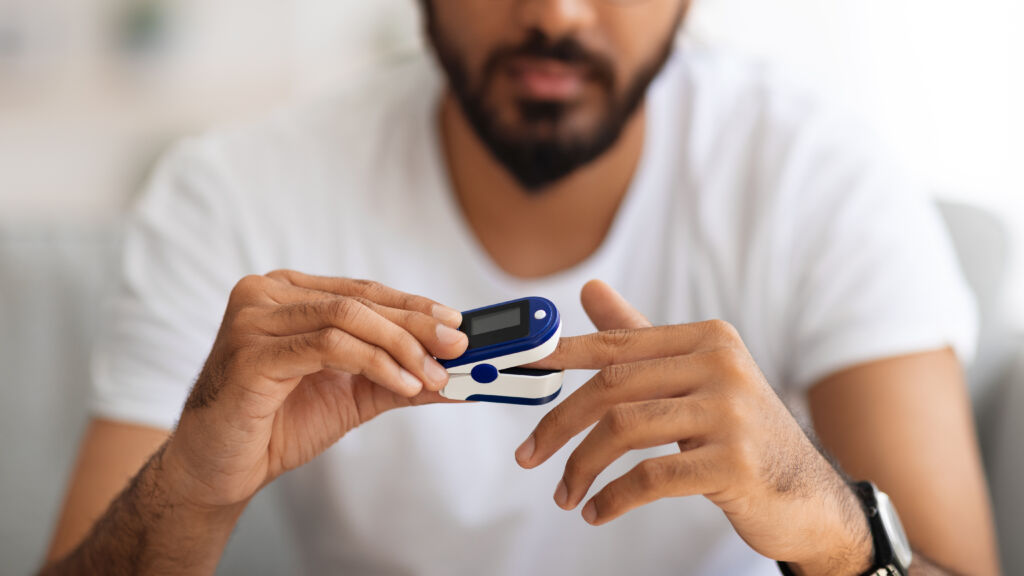
  • Oxygen - oxygen is prescribed when your oxygen level drops below a certain point (usually <89% on pulse oximetry - clip on your finger) or < 60 on an arterial blood gas - sample of blood from an artery. Low oxygen levels cause the pulmonary arteries to narrow (constrict), which, in turn, increases the pressure in the lung arteries, worsening the effects of the PH.

  • PTE (pulmonary thromboendarterectomy) - is a surgical procedure to remove old blood clots from the pulmonary arteries. In select individuals, this surgical procedure is a cure, if it is the cause of the PH. The procedure is performed at St. Luke's Medical Center (Milwaukee, WI), University of California - San Diego, and the Cleveland Clinic.

  • Lung Transplantation - if medical therapy is not successful or if you are severely ill at the time of starting treatment, you may be evaluated for lung transplantation. Unlike the other organ transplant lists, you need to be listed early as the ranking is by seniority (not severity) and it takes 18-24 months to match a lung. If your condition improves, you are removed from the active transplant list.

return to top of page

Pulmonary Hypertension Clinics

A pulmonary hypertension clinic specializes in treatment of combined cardiac and pulmonary diseases. They are staffed by PH specialists and have readily available consultants as needed. The PH clinic at St. Luke's Medical Center is held the 2nd Wednesday and the 4th Monday of every month, with other patients seen as needed throughout the month. Consultants in Rheumatology, Pulmonary Diseases, Infectious Diseases, Transplantation, Gastroenterology, Nephrology, and Social Service/Financial counseling are available. A support group meeting is held from Noon to 1:00 PM on the day of the Monday clinic each month. All patients and families, even if not treated in our clinic, are welcome to attend the support group meetings. Each patient is assigned a primary RN coordinator, who assists with his or her care, appointments, testing, acute illnesses, and medication therapies. We can be reached by calling 414-649-3319.

return to top of page

CONCLUSIONS

PH is a complex disorder that needs extensive evaluation and a treatment plan. You and your doctor need to be partners in this. I would encourage anyone with this diagnosis to seek out a PH clinic or specialist, as these are difficult diagnoses and need complicated treatments. You also should have access to clinical research trials, as some of the clinical trial drugs may be more optimal for you than the current FDA approved drugs.

Additional Web Sites that can be accessed through our "Web Site Links" section include:

www.PHA.org - a patient-run organization that offers excellent patient and family supports for everything from general information, legal assistance, educational meetings, to chat rooms. Meet other patients with the same or similar disorders. The fee is $10.00 per year to join the group and receive their newsletter. The fee is waived if you have financial difficulties.

www.Phcentral.org - a web site intended to provide up-to-date information from the medical literature, including drug research. No fees or memberships.

return to top of page


© 2006-2013 Comprehensive Cardiovascular Care Group. All Rights Reserved. Legal Statement 960 North 12th Street, Suite 4152 • Milwaukee, Wisconsin 53223 • 1-800-222-8082
WebVPN Certificate